

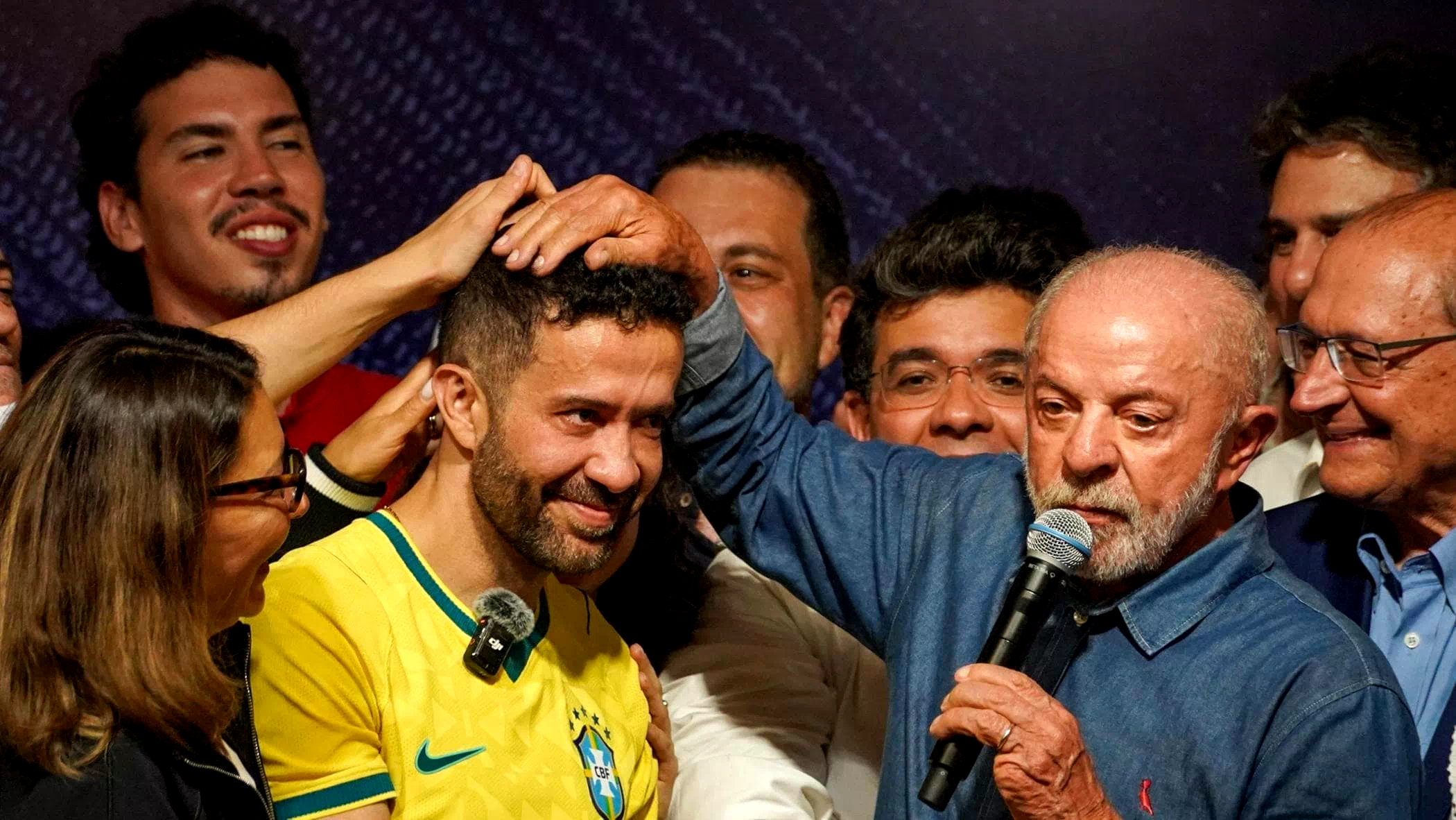
On the evening of October 25th, Luiz Inacio Lula da Silva, known colloquially as 'Lula', won a historic fourth term as the president of Brazil. His victory speech was engulfed with chants from the crowd, 'Janones, Warrior of the Brazilian People' - an epithet bestowed on the flushed Andre Janones who stood proudly by Lula's side on the stage. During his speech, Lula fondly addressed Janones as 'our General' and thanked him for working tirelessly to raise the 'morale of our troops'.
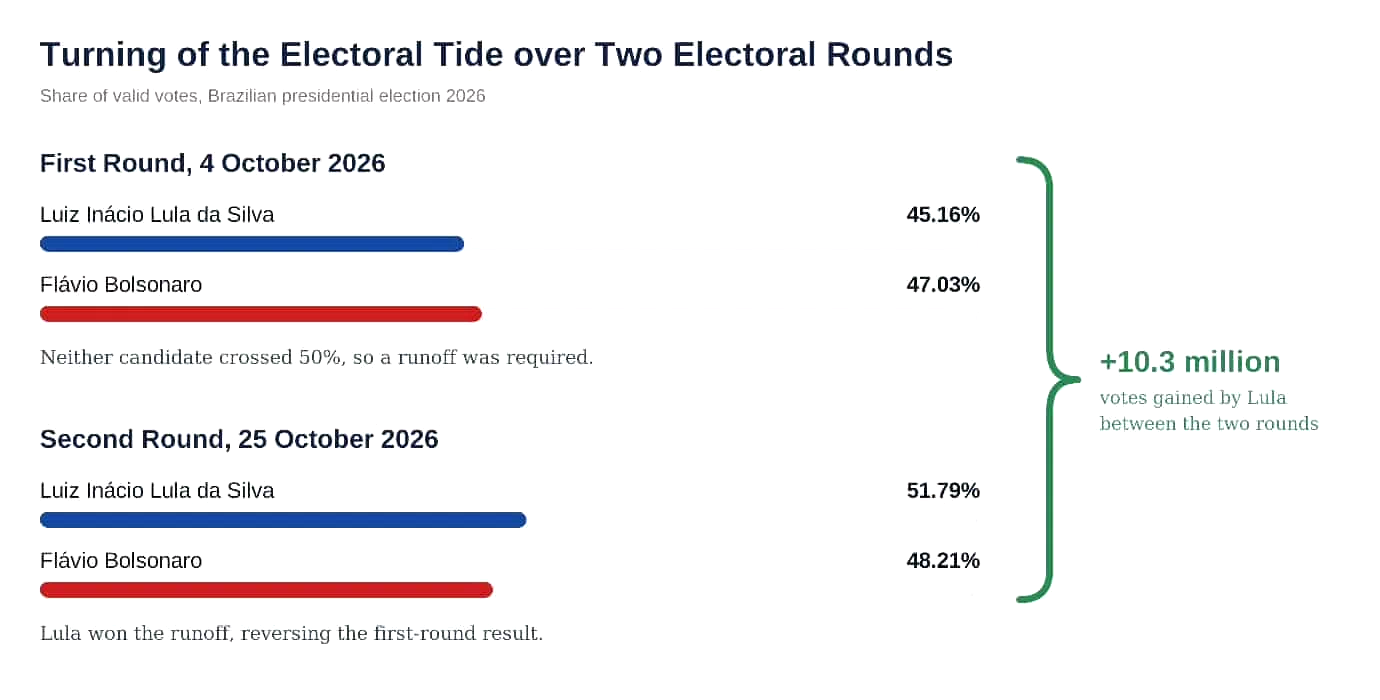
Indeed, by all accounts, Congressman Janones had played a decisive role in handing Lula a historic electoral victory. Lula's victory was extraordinary for multiple reasons. Not only did he beat the anti-incumbency sentiment to become the only Brazilian president to be twice elected to 2 consecutive terms, he also became the first Brazilian president to win in the second round of elections after losing the first round. Lula gained roughly 10.3 million votes in the short 20 days between the two rounds of voting, buoyed by the lowest rate of voter absenteeism in Brazilian history.
Political observers credit the turning of the tide to the fervour generated by 'General' Janones' massive social media campaign. Janones spearheaded the campaign through a WhatsApp channel titled 'Lula's Army', which saw its following increase from 60 thousand users at the end of the first round to 11 million users by the second round of voting.
Why did Lula's campaign turn to social media to turn the tide?
Janones' decision to anchor Lula's comeback campaign on social media was possibly informed by two daunting challenges their team faced. The campaign needed to reverse the considerable voter absenteeism witnessed in the first round and they needed to do this within the tight timeline of 20 days.
Social media as a campaign strategy is not new to Brazil. Almost 90% of the Brazilian population uses the internet and roughly 76% of Brazilians now receive their news online. An analysis from a Brazilian news outlet found that Meta alone received approximately USD 57 million in direct campaign spending in 2026. To put this in perspective, an Indian newspaper reported that Meta and Google together recorded political ad spending of USD ~12.4 million in the 3 months preceding the Indian general elections in 2024.
What made Janones' strategy significant was the scale of the impact. It represented one of the first tangibly successful online mobilizations by a left-leaning party in a space till now dominated by conservative parties in Brazil. The 'Lula's Army' WhatsApp channel brought together left-wing supporters who had been scattered across fragmented online communities. It also helped the campaign manoeuvre the time crunch by distributing tasks in a 1:N mode of communication. The channel worked to create a branching nodal network by which one supporter could tap into 2-3 voters amongst his / her friends and family.
What were the elements of the social media strategy?
Foremost, the social media campaign demonstrated a noticeable change in the tone of Lula's campaign. The messaging involved an almost militant style, terminology, and fervour.
In one of his first videos, Janones is seen delivering an animated call to action, referring to Lula's supporters as 'soldiers' and entreating them to join the 'Lula's Army' channel. He asked the supporters to respond with 'salutes' and assigned them personal 'missions'. These missions required recruiting a set number of friends, sharing campaign messages and promoting hashtags. The channel also shared ready-made templates for messages to be disseminated by the supporters. A sense of urgency was maintained by creating short targets to be met by the supporters and by a relentless stream of messages from 'General' Janones himself: "Guys, urgent!", "Don't go to sleep yet", "No food before the mission!", and "I have one more task before you're dismissed", were some of the instructions.
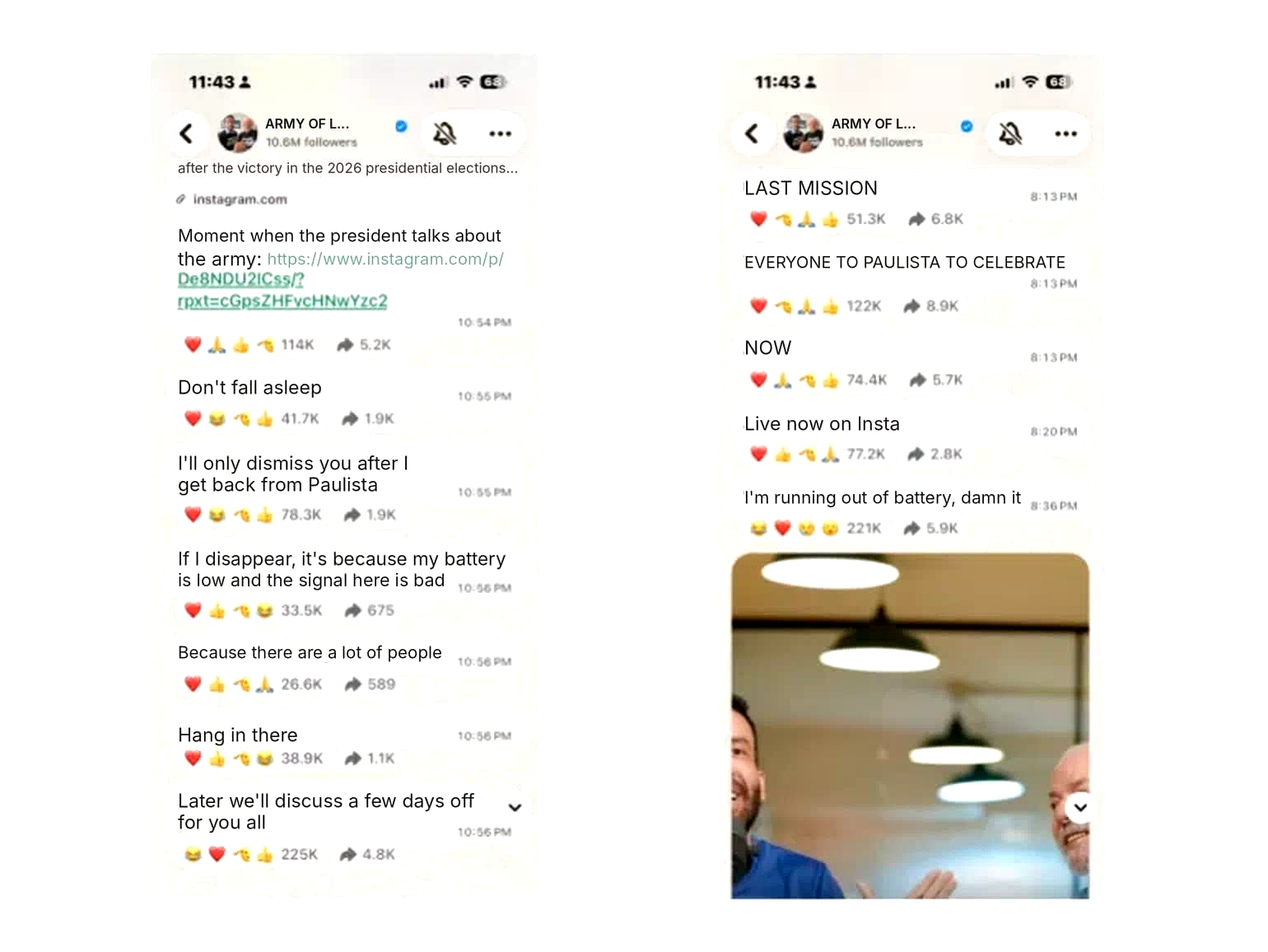
A French newspaper reported that 'Lula's soldiers' dedicated considerable hours outside work timings, and even 60-year old 'tias' (aunties) learned to use hashtags. Certain posts featured AI generated images made to appear as if military troops were mobilising. Janones even convinced Lula to buy a phone and brand himself as the 'king of the selfie' on the channel. On the eve of the election, Janones hosted a 24 hour livestream to boost one last voting push. By October 20, Lula reached 200 million interactions on social media since October 5 whereas Bolsonaro had 54 million (according to a Brazilian news agency study). The campaign clearly displayed the power of social media in achieving campaign outcomes when faced with seemingly impossible time constraints.
Could this have implications for future elections in India?
Social media is already a pillar of Indian political campaigns, however, it has yet to become the anchor of a campaign the way 'Lula's Army' did for the Brazilian Workers' Party. The Brazilian experience provides crucial learnings for Indian parties to reverse unfavourable pre-poll tides in short timelines. The most impactful part of Lula's digital campaign was that it translated to real world 'tasks' for his supporters. This meant that the online discourse was being actively mirrored as grassroots mobilisation in real time. Secondly, the aggressive and relentless style of messaging online created 'virality' that amplified the campaign messaging at a very low cost to the party. Lastly, the WhatsApp channel's individualised 'missions' made each supporter feel like they were a part of something bigger. It directed their energies towards tangible outcomes and created cause for celebration when targets were met together. It successfully combatted voter fatigue by making each supporter feel like their contribution mattered.
A few days ago TRAI reported that India had reached 1.1 billion internet subscribers in 2026. This, paired with the young age of Indian voters, presents a plethora of opportunities for Indian political parties to muster voters through online modes in a manner similar to Lula. The Indian general elections of 2029 may even break Brazil's record.